Dress & Culture Scale


Constellation of Culture Traits
Political
W.S. Gilbert as a
captain in the Royal Aberdeenshire Highlanders (Scottland), between 1875 and 1878
Found here

Prince Charles in Kilt
found here
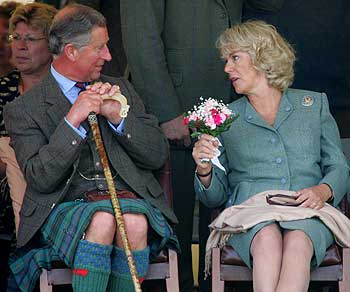
Found here

Ideology
Religious services
Religious services
Found here

found here

found here

Dress- World Class
Kristin Cavallari Robert Pattinson


Prince William and Kate
found here

found here

Society
Race and Ethnicity
found here



Found here

found here


These examples of plaid goes to show how universal this pattern and style has become. The most expressive state of this plaid would have been in Scotland and Ireland when they were recognized from the specific pattern as a family clan. Since then it's become popular all over the world. The Lesbian movement tried to adopt this pattern, with failing to realize the popularity of the style. It went through phases in the 1900's, but now seems to be a constant in our world wide culture.
This pattern plaid is very related with cultural authentication because it goes back to the clans in the Highlands of Scotland and Ireland. Each clan chief would pick first the clan badge, and we would know this as a family crest today. The badge and family motto would be worn "in a silver strap-and-buckle badge" around the shoulder only if the clan chief was living. The Tartan was colored by dyes made from berries and plants, thus, the colors were more faded many years ago than we'd have today. The tartan pattern selection would come after the badge was selected. When it came for political or celebration gatherings the pattern was selected by the clan chief who would require every male memboer of their famiy to wear them. The every day-to-day activity with the plaid was a matter of personal choice, much like selecting a dress suit would be today.
There was a book published in 1843 that stated all the Tartan colors for each family. A few examples are found here:


I found some visual examples of the family tartans and badges:


No comments:
Post a Comment